
Quick Answer
A tea shop website should help visitors choose between visiting the shop, ordering for pickup and buying products for delivery. Define those operations separately, then provide the menu, product information and fulfillment rules each requires. A tea-themed design does not establish stock accuracy, food information or a working order process.
The historical vendor demonstration presents Elegant Themes’ Tea Shop Starter Site, announced March 30, 2025. Its sample products, organic claims and checkout preview are vendor demonstration content, not Interactive Online products or proof of a real shop’s certifications.
Choose which orders the website will accept
List what customers can do today and which new operations the business is prepared to support. A local shop with a published menu needs different content and systems from a store shipping loose-leaf tea nationwide.
- Visit: publish the actual address, current hours, menu and useful arrival information.
- Pickup: define order cutoffs, preparation expectations, available pickup times and the procedure for an unavailable item.
- Shipping: define sellable pack sizes, stock ownership, destinations, delivery options and packing responsibilities.
- Events or tastings: specify whether the action requests information or reserves a confirmed place.
If two systems receive orders, decide which holds the reliable availability record. A menu shown on the website should not silently promise that every item can be shipped or collected at every time.
Make product and menu differences easy to understand
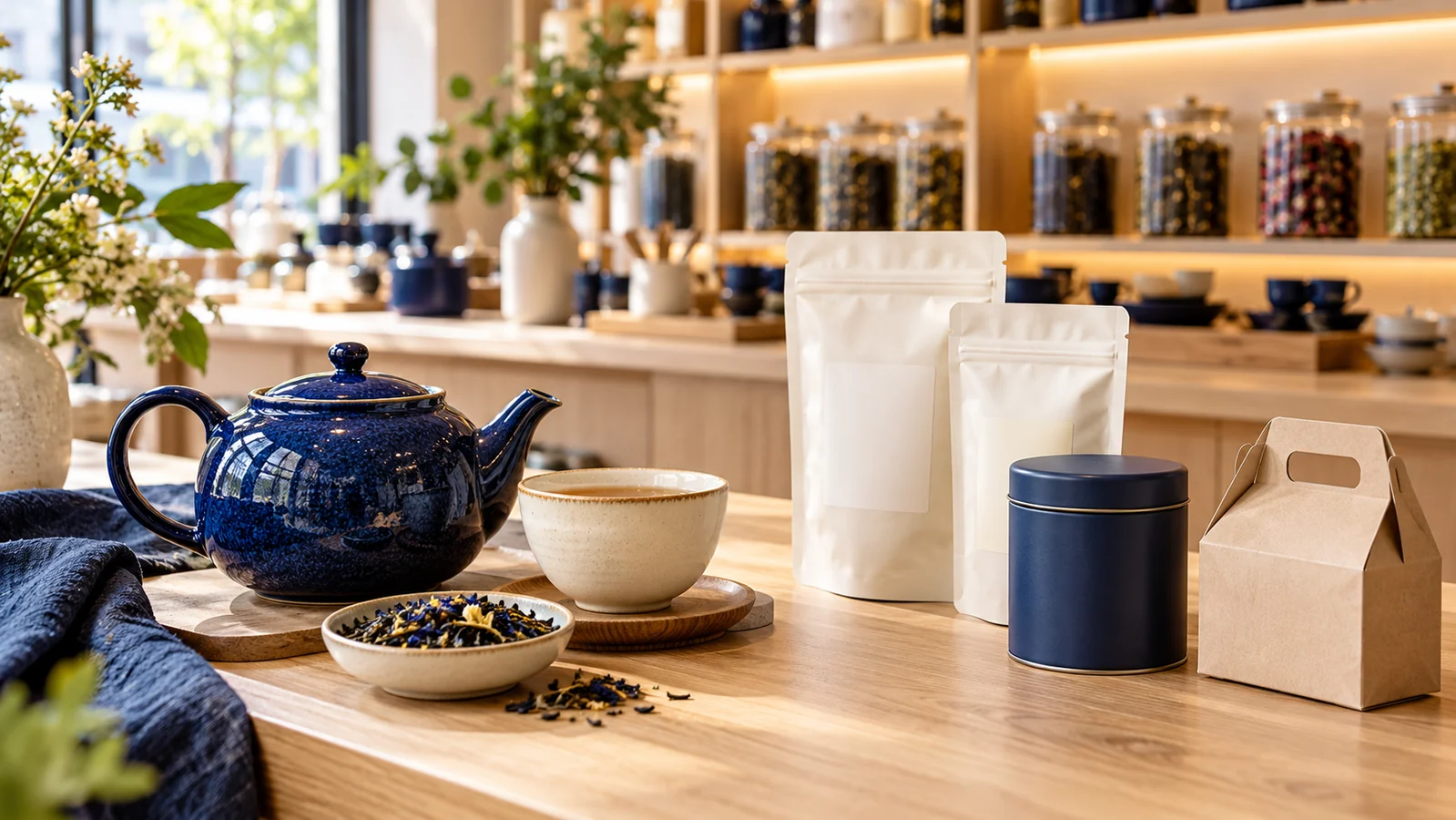
For an illustrative loose-leaf listing, distinguish a 50-gram pouch from a tin of tea bags. Name the variant, show the net quantity and use images that match the package being sold. State preparation instructions and ingredient information supplied and approved by the business.
For prepared drinks, show the available sizes and options without suggesting that every option applies to every drink. Have the responsible owner verify ingredient, allergen, caffeine, origin and certification statements. Avoid adding health benefits simply because they appear in supplier marketing or generated copy.
Collections can help shoppers browse by actual tea type or intended use. Keep naming consistent between navigation, product pages, cart and order records. Our ecommerce planning guide covers the broader catalog and platform brief.
Test the order through fulfillment
Write a small acceptance set before connecting payments or ordering tools. Include a single item, a mixed order, an unavailable variant and an address or pickup time the business cannot serve. The website should explain what the customer can do next.
Check that the confirmation identifies the chosen fulfillment method. Follow the order to the staff member who prepares it, then through the customer notification. An attractive checkout screen cannot show whether a shop receives the right instructions or deducts the right inventory.
Give changing information an owner
Assign someone to maintain seasonal menus, holiday hours, product availability and event details. Set a review procedure for expired promotions and discontinued products. Give staff a documented way to correct a listing without rebuilding its layout.
For a WordPress implementation, include the chosen ordering process in the website design scope. Once built, use the ecommerce operations checklist to review navigation, product selection and checkout behavior.
Key Takeaways
- Separate visiting, pickup, shipping and event journeys.
- Match names, quantities, images and variants to actual products.
- Have the business approve food and certification statements.
- Test fulfillment and assign ownership of changing content.
Frequently Asked Questions
Does a tea shop need online checkout?
Only if the business wants to accept orders through the website and can support payment, availability, fulfillment and customer service. A clear menu and visit information may be the appropriate first scope.
Can pickup and shipping use the same product page?
They can share information when the actual offer supports both. Make method restrictions and availability clear, and test whether the selected system handles the combinations the shop sells.
Can the demo’s product copy stay on the site?
Replace it with verified descriptions of the shop’s own products. Claims about organic status, ingredients, origin or benefits need appropriate business approval and supporting evidence.