
Quick Answer
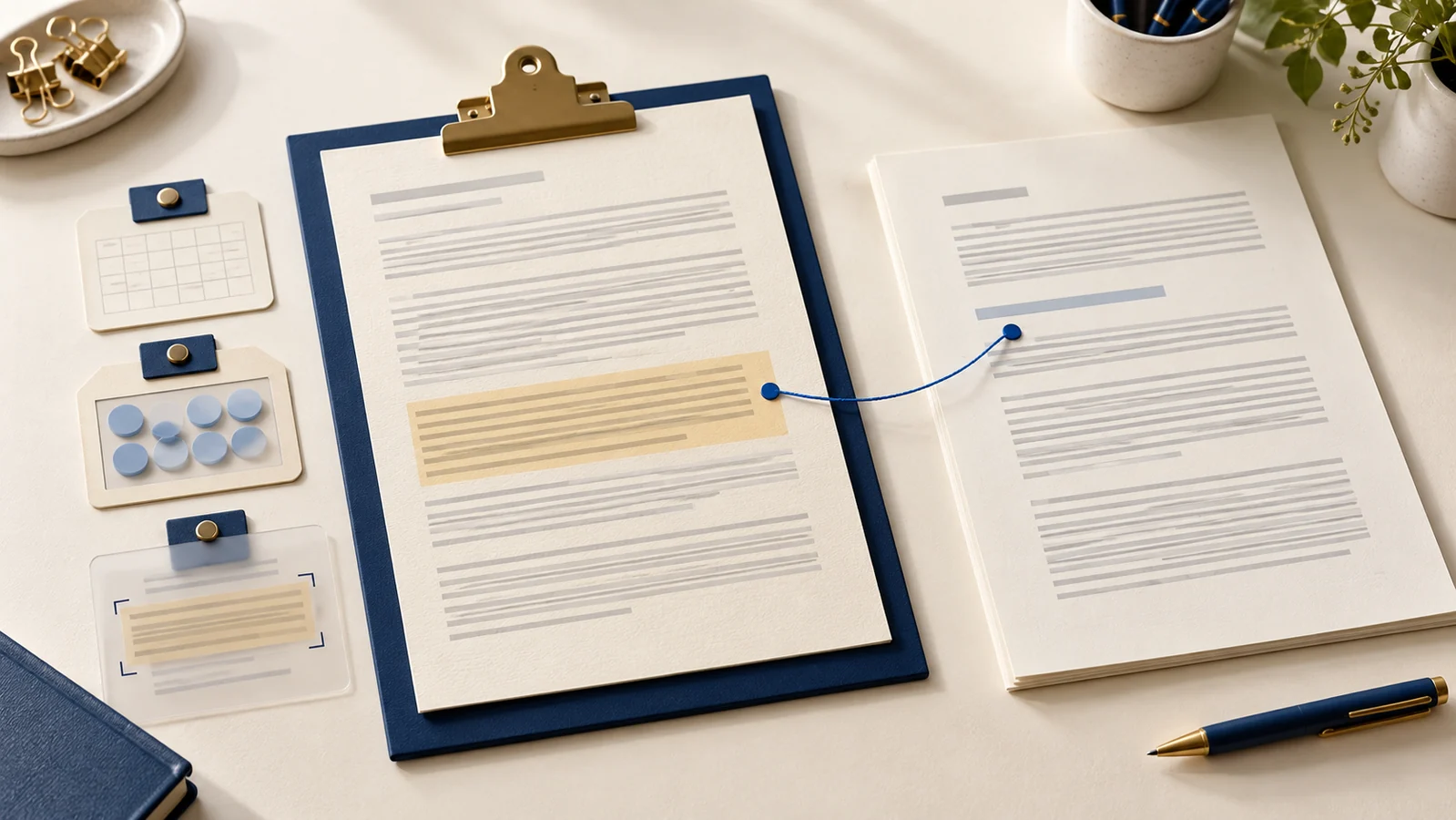
Before asking a publisher to consider a story, prepare the page that supports its central claim. Make the evidence, date, limits and responsible source understandable. SEO can help people reach that resource; it cannot turn an unsupported statement into a verifiable story or guarantee editorial coverage.
Give collaboration a concrete deliverable
The November 2023 archive summarized a Search Engine Land article about SEO and digital PR collaboration. The original publisher address now redirects to a general SEO guide, so the full historical article cannot be verified there. The practical task below is an independent source-page review.
Have the communications owner identify the proposed claim and audience. Have the subject owner verify its facts. Have the website owner make the approved supporting material accessible at a clear destination. These responsibilities may belong to the same person, but none is replaced by a keyword list.
Check whether the page supports the proposed claim
Imagine a hypothetical team planning to describe a finding from a customer survey. Its draft source page includes a result but omits when the responses were collected and who was surveyed. This is an invented preparation exercise, not research conducted by Interactive Online.
- Proposed statement
- Keep the exact claim visible in the review. Identify whether it describes all customers, a defined sample or only respondents to a particular question.
- Supporting passage
- Locate the result and its actual denominator. If the page lacks the underlying definition, ask the research owner to supply it rather than writing a broader conclusion.
- Missing method
- Hold the unsupported scope until the collection period, population and relevant limits are approved. A polished chart cannot supply missing methodology.
- Public destination
- Prepare an approved page that explains the finding and limitations together. Keep private responses and personal data outside the public resource.
- Readiness decision
- Record which statement can now be supported, which remains unresolved and who owns the correction. Preparation is different from a pitch being sent or a story being accepted.
Use links to explain the evidence
Google’s link guidance recommends descriptive, concise anchor text relevant to its surrounding page and destination. A useful link should help the reader understand what it leads to, rather than force a collection of target phrases into the sentence.
Keep a source passage close to the conclusion it supports. Link to relevant methodology or definitions when they help the reader assess it. A general homepage is a weak substitute when the claim requires a specific report.
Preserve editorial independence and outcome boundaries
A publisher decides whether to cover a topic and how to reference it. Google’s link-spam policy distinguishes advertising and sponsorship links, which need appropriate qualification, from attempts to buy or require ranking credit.
Keep resource readiness, accepted coverage, observed visits and business results as separate evidence. Our brand mention guide covers assessing actual coverage afterward. The brand management guide concerns approved messaging, while page-type and authorship markup addresses a different implementation task.
Key Takeaways
- Prepare verifiable support before proposing a story.
- Hold claims whose population, period or method is unresolved.
- Make the destination useful to a reader checking the evidence.
- Separate preparation, editorial decisions and measured outcomes.
Frequently Asked Questions
Does a well-prepared source page guarantee a backlink?
No. It makes the evidence usable. The publisher retains its editorial decision about coverage and links.
Can a designer fill in missing survey details?
No. Obtain the actual method and definitions from the responsible research owner, or narrow and hold the claim.
Is a ready resource the same as completed outreach?
No. Record preparation, any authorized communication and the publisher’s response as separate states.